


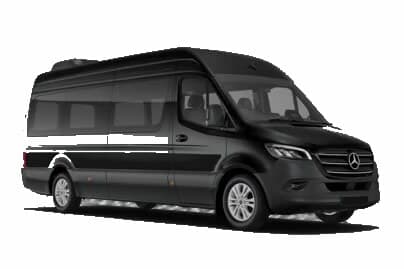
Antalya Airport to Termessos transfer
Termessos has to be earned. It stands above 1,000 metres inside the Güllük Dağı national park, on a saddle between wooded peaks, and it was never taken: Alexander besieged it, decided against a fight in that terrain and moved on. What is left is a theatre on the lip of a drop, a gymnasium, deep cisterns and a necropolis of heavy sarcophagi tipped over among the pines — none of it tidied up for visitors. The site lies in the mountains behind Antalya, off the Korkuteli road, and no public transport goes anywhere near it.
That puts it within reach of the city and of almost nowhere else. From Antalya, Konyaaltı or Kaleiçi it is about 40 minutes, from Lara and Kundu around 45. From Belek or Kadriye reckon an hour and ten by the ring road, from Kemer much the same through the city. From Side it is close to an hour and three quarters each way, so with the climb it swallows the day — those who make that trip usually add the Antalya museum or Düden. From Alanya it is two and a half hours each way: leave it out. No coach timetable survives a half-hour climb; a private car waits.
On a map it looks like an airport-day option: 45 km, about 45 minutes. It is not. Past the park gate come nine kilometres of narrow road — the old King's Road — and then a rocky climb, and three hours on your feet is the minimum. Fresh off a flight, with the cases in the boot and check-in still waiting, this is the wrong first stop. Keep it for a morning you leave the hotel in walking shoes.
Visiting Termessos
Be clear about what the walk is. From the upper car park a stone path climbs steadily for half an hour or more — limestone polished by feet, tree roots across it, loose rubble on the steeper pitches and nothing to hold on to — and all of that before you begin moving around a site that is itself built on a slope. People who arrive in sandals turn back within ten minutes. The reward comes in stages: cistern mouths and the walls of the gymnasium appear among the pines, then the theatre, cut into the lip of a drop with the mountains standing opposite and nothing built between them and you.
Three hours on your feet is the minimum and four is more usual, once you count the stops to get your breath, the wander off the line of the path to the toppled sarcophagi, and sitting in the theatre long enough for the climb to have been worth it. Coming down is not the rest people expect: the same loose surface now tips forward, it asks knees rather than lungs, and that is where the time overruns. Height changes the weather too — pine shade for most of the way, air noticeably cooler than the coast, and cloud that can settle on the ridge within an hour and leave the limestone slick.
So the car waits, and it waits longer than anyone plans for: build the agreed time around four hours rather than three, because the alternative is a driver at a mountain car park weighing up whether to come looking for you. The site sits inside a national park, where the gate and the access road are less predictable than at a coastal ruin, so it is worth having that checked before the car is booked rather than after the long single-track approach. Whatever you add to the afternoon should ask nothing more of your legs; after this climb nobody wants a second set of ruins.
- If your legs are going to run out, spend them on the theatre at the edge of the drop: it lies high on the site and it is the one thing nobody regrets the climb for.
- Keep to the worn line of the path: beside it is loose scree and thorn, and the site is not fenced off from the drops.
- What most people walk past is the necropolis, because the sarcophagi lie tipped over away from the path instead of in a row.
- Nothing flat enough to sit on exists up there apart from the theatre steps, which is why everybody eats whatever they carried up in the same place.