
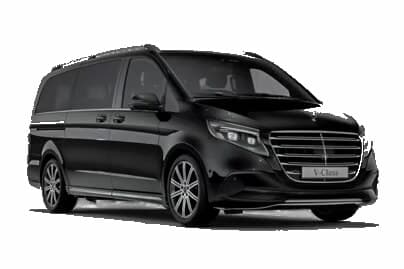

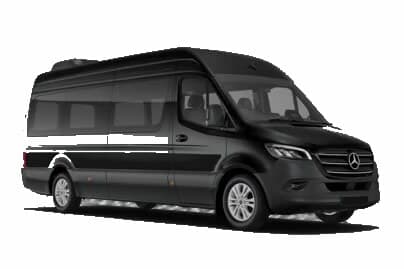
Antalya Airport to MarkAntalya transfer
MarkAntalya is the centre for people who want the city as well as the shops. It stands on Kazım Özalp Caddesi — the old Şarampol shopping street in Muratpaşa — and stacks its shops, its cinema and its food court into a single building a short walk from the bazaar streets and the edge of Kaleiçi. The names are high street rather than luxury: LC Waikiki, DeFacto, H&M and the like. What sets it apart from the out-of-town centres is that you step out of the door into the working city: jewellers, nut shops and greengrocers' stalls start immediately. The airport is 15 km back to the east.
This is the centre that rewards a trip from further away, because the shops are only half of what you came for. From Kemer or Beldibi you are here in about forty minutes without crossing the city; from Konyaaltı, less; from Belek roughly fifty minutes; from Side an hour and a quarter, which nobody spends on jeans alone — pair it with Kaleiçi, the harbour and the bazaar streets and the day earns itself. Alanya is too far for this one. A car can set you down at the mall and collect you at the old town three hours later; a coach cannot.
From the terminal it is fifteen kilometres, and a transfer from Antalya Airport to MarkAntalya finishes in real city traffic. On arrival day it makes sense mainly if you are staying in the centre or Kaleiçi and want a first meal and a supermarket before the room. With luggage, the covered car park matters more than the twenty minutes on paper.
Visiting MarkAntalya
This is the one where the visit does not end at the doors. An hour inside covers the shops most people came for; the rest of the time belongs to the street, and the street starts immediately. Step out and the city is at work: narrow pavements, high kerbs, and ground worn smooth where the bazaar lanes have been walked for a century. From the building to the edge of the old town is a walk rather than a drive, and it runs downhill on the way there, which is the right direction to do it in if you are carrying anything.
That makes the timing different too. In high summer the sensible shape is the reverse of the usual one: the old town early, this building for the two hours when the streets are unbearable, and the harbour again at six. In a wet spell it works as shelter in the middle of a walking day, which none of the out-of-town centres can do. It is a poor way to spend the gap before a night flight, though: fifteen kilometres of city traffic stand between here and the terminal, and they are at their slowest exactly when you would be setting off.
Nobody should plan on a car standing at this kerb for three hours; the street outside is a working one, and a driver can be given a second address for the pickup as easily as the first. What is worth thinking about instead is the order of the day and what you end it holding. Do the mall first if you mean to buy clothes and the lanes last if you mean to buy food, because boxed spices, sweets and a tin of oil are things you want going into the boot rather than round the old town with you. On an arrival day, with cases already in the car, buy small.
- Wear shoes for pavements rather than galleries: ten minutes from the door the ground is old stone and uneven.
- In July go out in the morning and come indoors at noon, which is the reverse of how the out-of-town centres get used.
- Agree the second meeting point before you set off, and pick a landmark on a wide street rather than a shop front in a lane.
- Ask for anything fragile to be wrapped where you buy it, because the rest of that day is a walk and not a drive.